Flower Meanings: The Language of Flowers
Content editor
Em Newton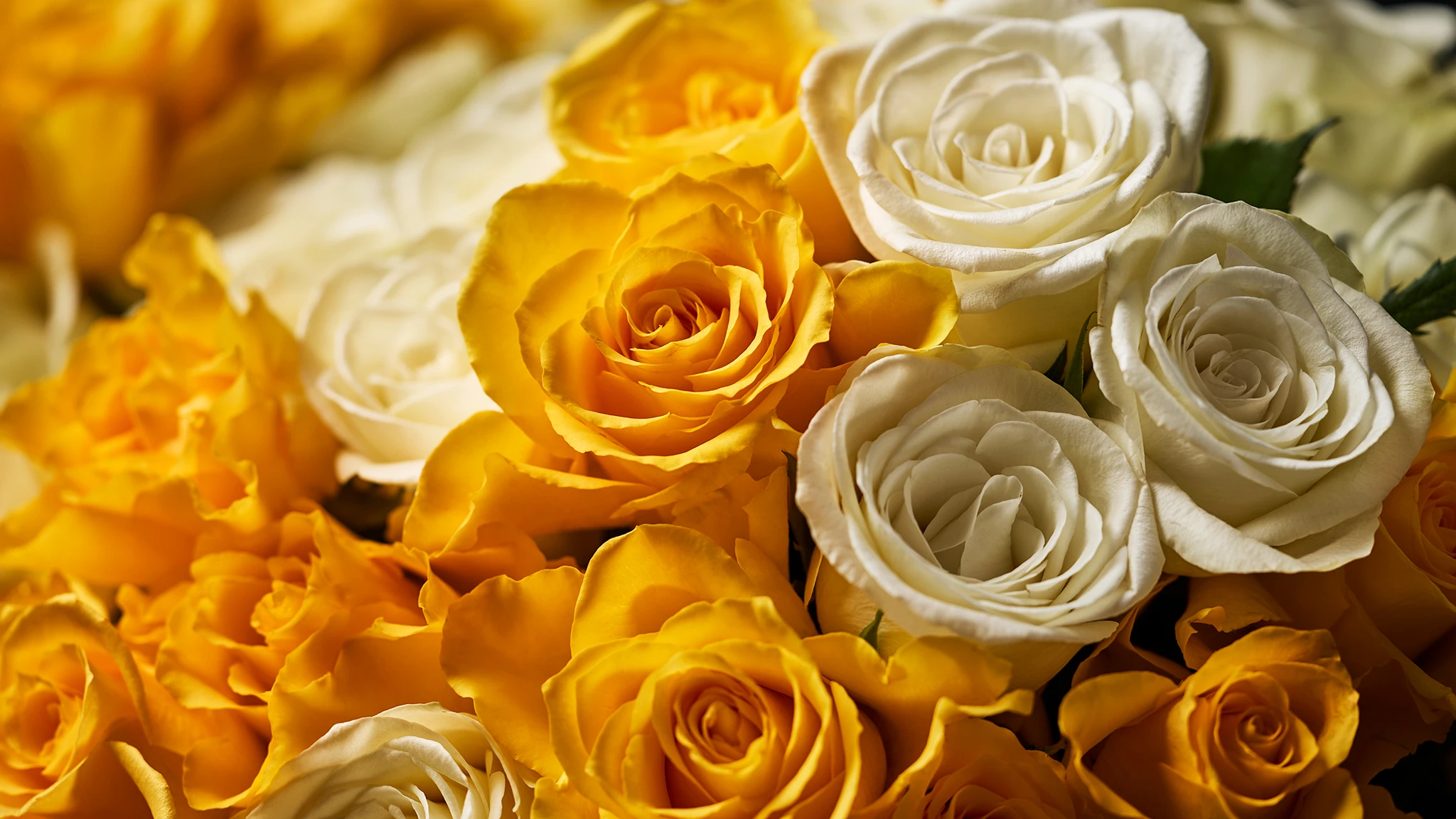
Different roses and their meanings
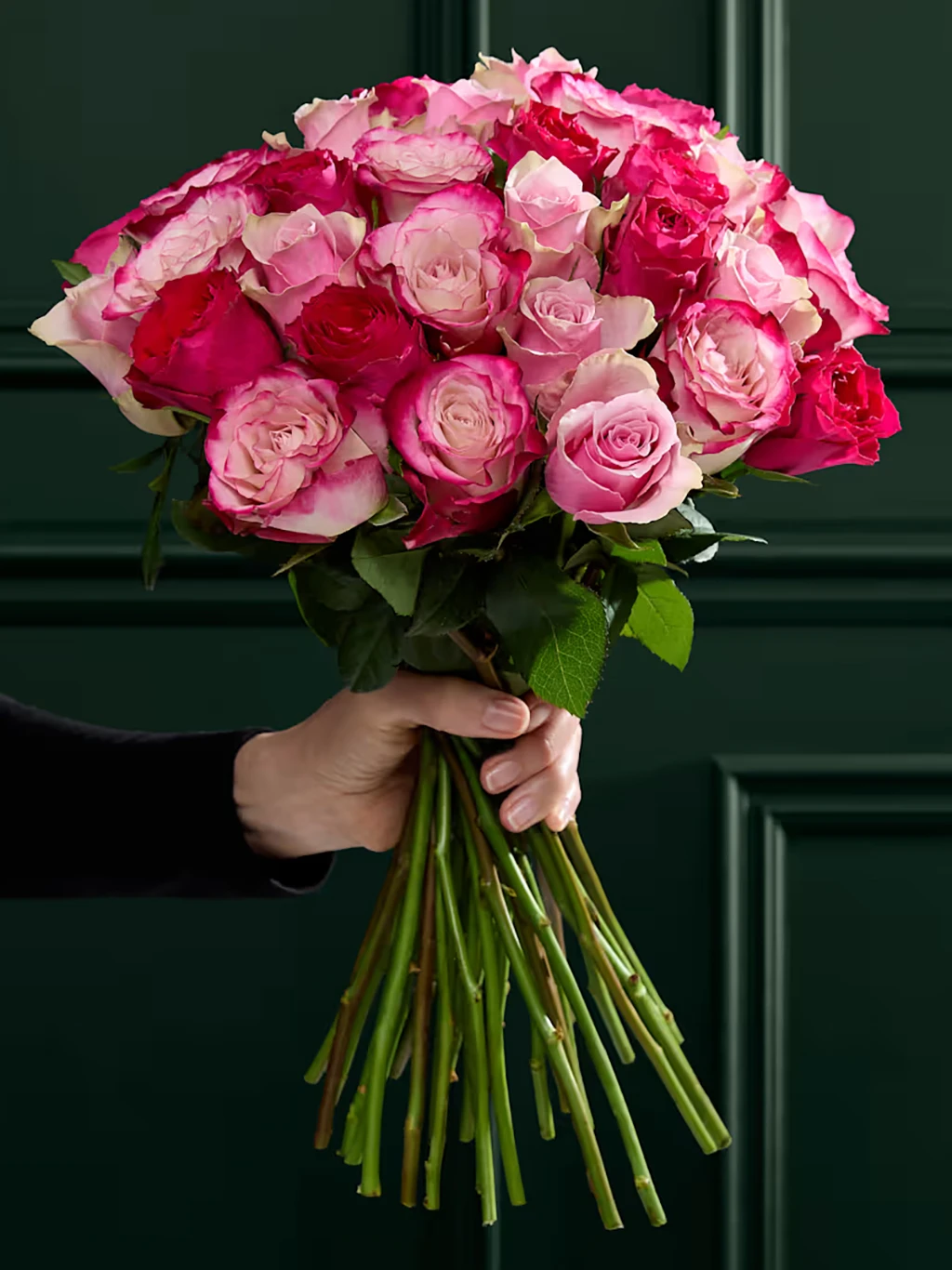
Flowers are heavily associated with love and roses are commonly seen as the most romantic flower of all. But did you know that the number of roses is significant?
A dozen roses is traditionally sent to ask someone to be yours, while sending 24 roses says "I’m yours." Sending 50 roses is said to signal that your love is unconditional while the extravagant gift of 100 roses (part of our Valentine’s Day flowers collection) symbolises total devotion.
Rose colour meanings
Yellow roses: symbolise care, warmth and friendship.
Red roses: a declaration of eternal love.
Pink roses: signify joy and appreciation.
Flower colour meanings
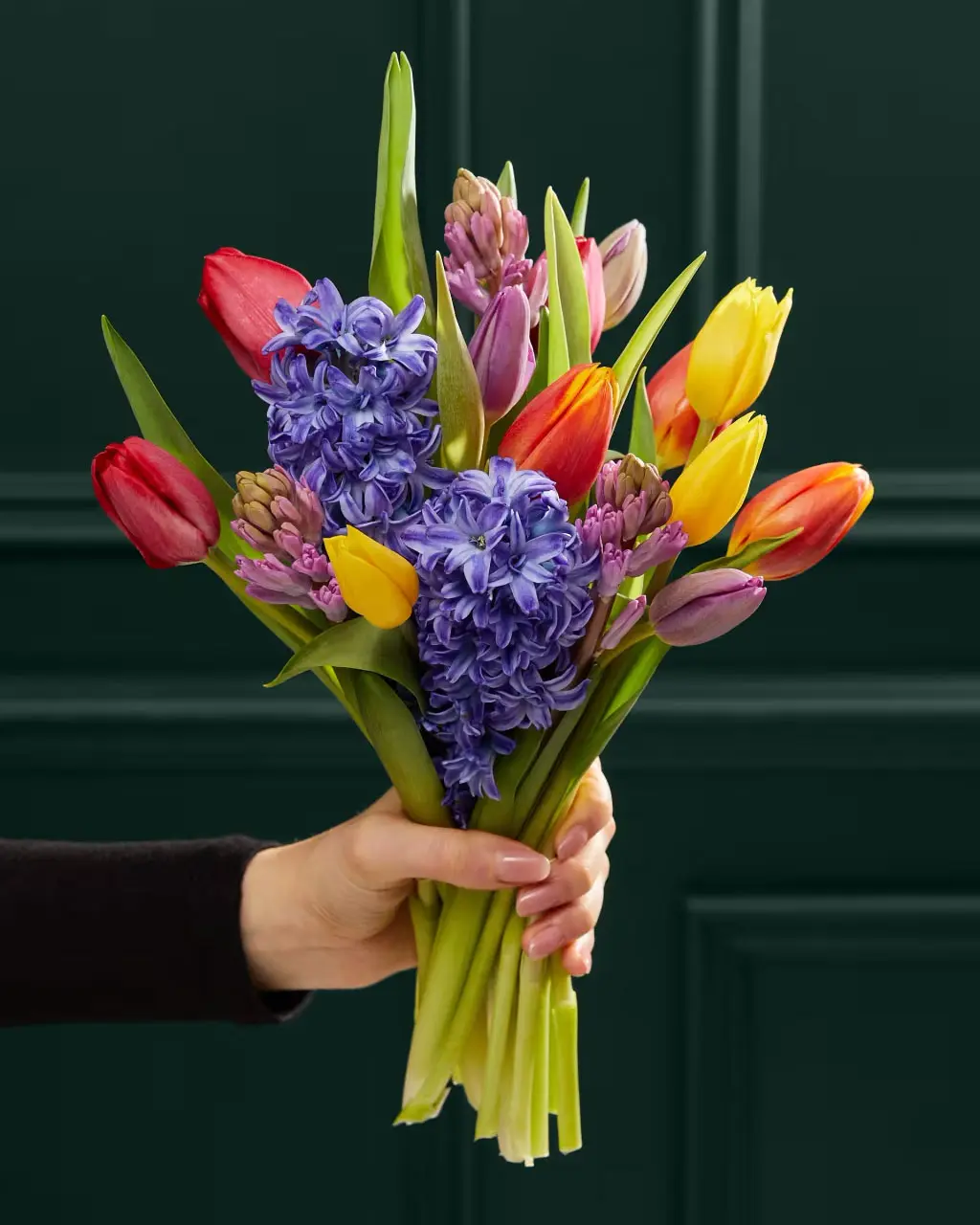
Red flowers: one of the most popular flower colours, red flowers convey passion, love and affection – they're perfect flowers for an anniversary.
Pink flowers: with positive associations like grace and joy, pink flowers convey romantic, familial or platonic love.
Yellow flowers: be it daffodils, sunflowers, or tulips, yellow flowers can’t help but make you smile. They symbolise joy and friendship, making them ideal flowers for congratulations.
White flowers: associated with innocence, flowers for a new baby tend to be white. It’s important to be culturally aware; in some cultures, white flowers such as lilies are sympathy flowers.
The meaning of orchids
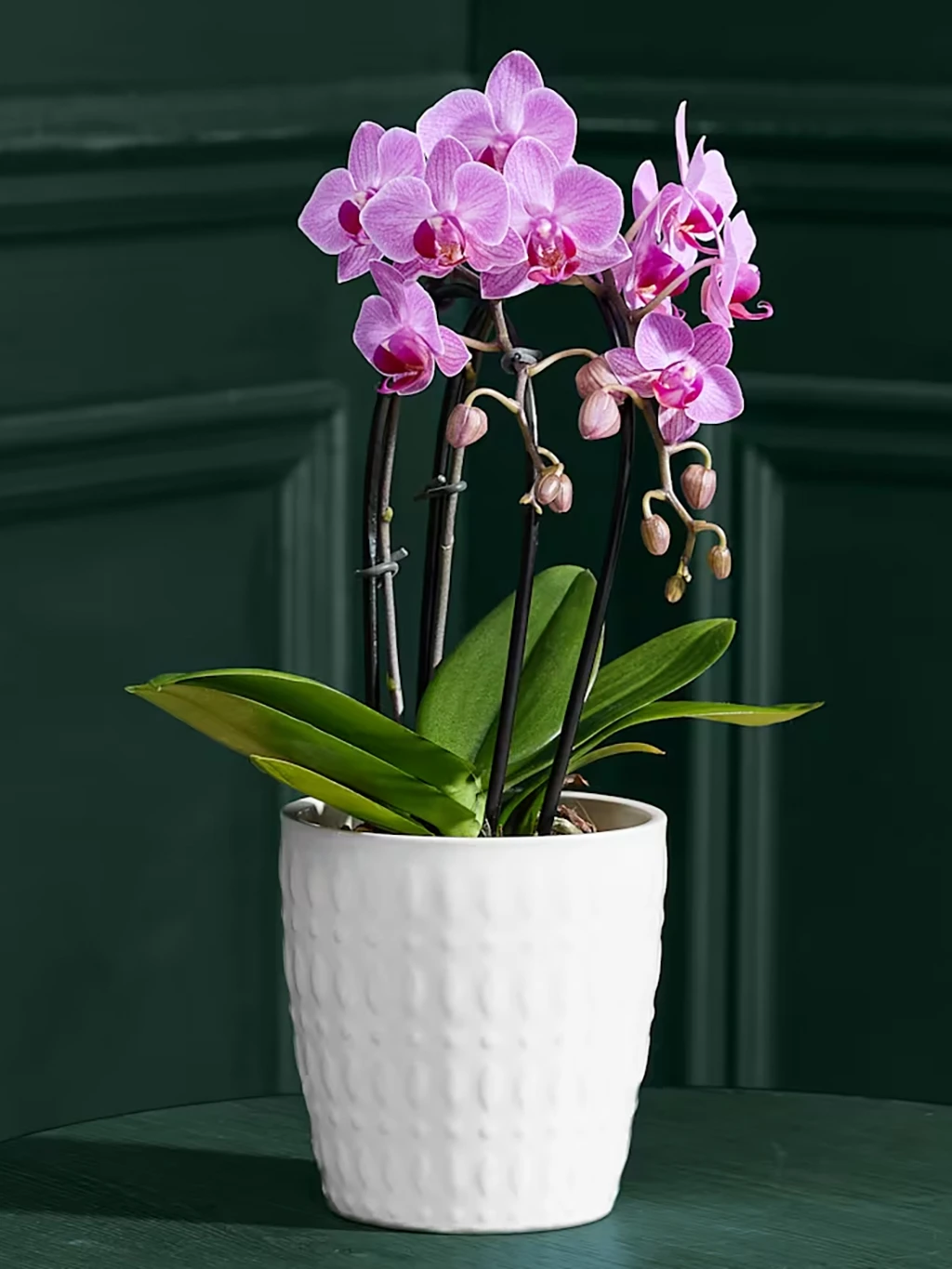
When it comes to houseplants, orchids are sophisticated yet relatively low maintenance to care for. They offer lasting beauty which makes them a popular choice.
Orchid plant meanings can range from love to adventure and innocence to good health, making them a wonderful gift for loved ones. In this regard, they are ideal for gesturing anything from "thank you" to "get well soon."
For advice on keeping cut flowers looking fresh, read our guide on how to make flowers last longer.
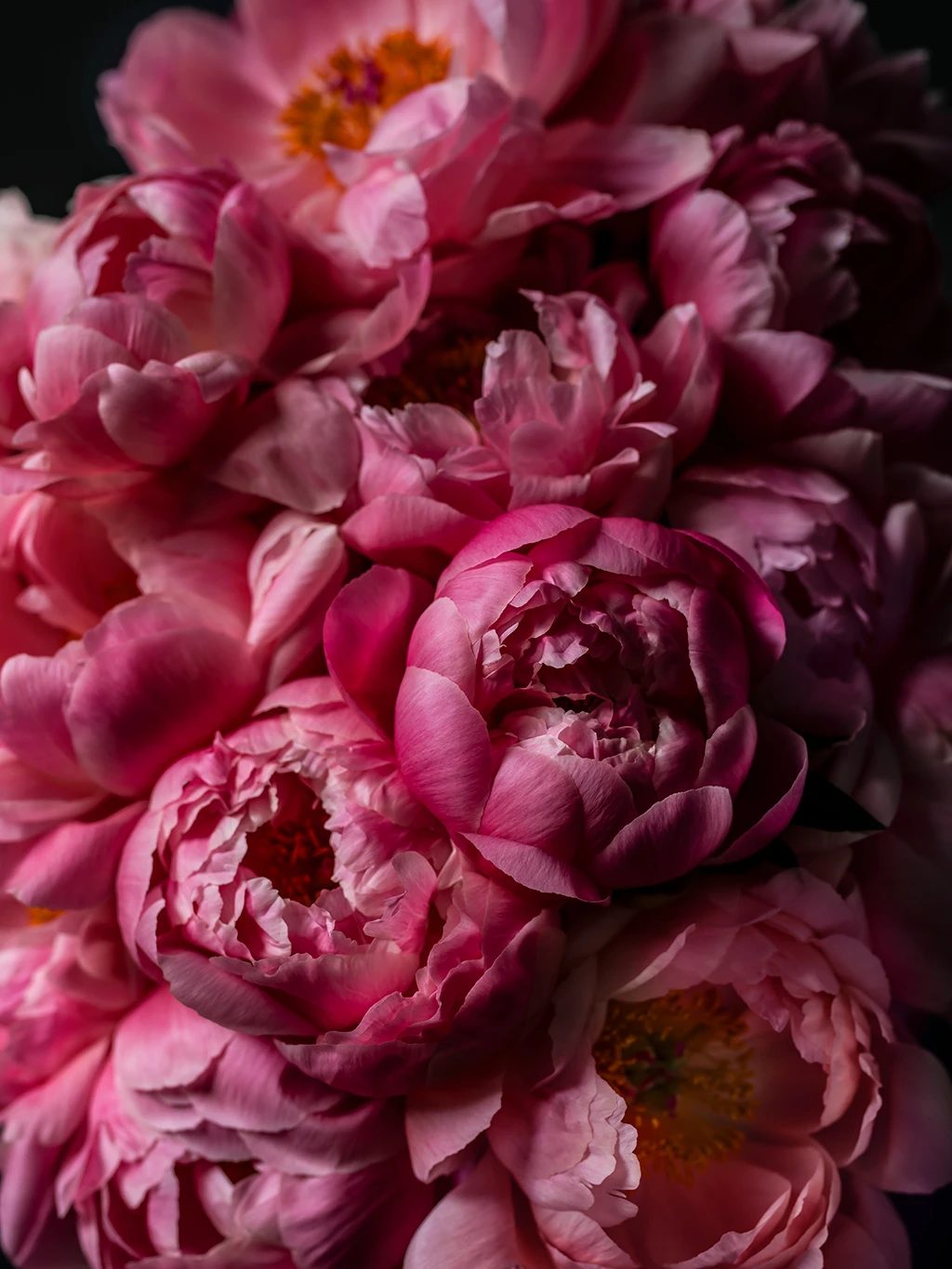
What’s my birth flower?
While most people know their zodiac sign, many people don’t realise that they also have two birth flowers. Birth flowers are said to represent the people born in that calendar month.
January: Carnation and snowdrop
February: Violet and iris
March: Daffodil and jonquil
April: Daisy and sweet pea
May: Lily of the valley and hawthorn
June: Rose and honeysuckle
July: Delphinium and water lily
August: Gladiolus and poppy
September: Aster and morning glory
October: Marigold and cosmos
November: Chrysanthemum and peony
December: Holly and narcissus
The history of floriography
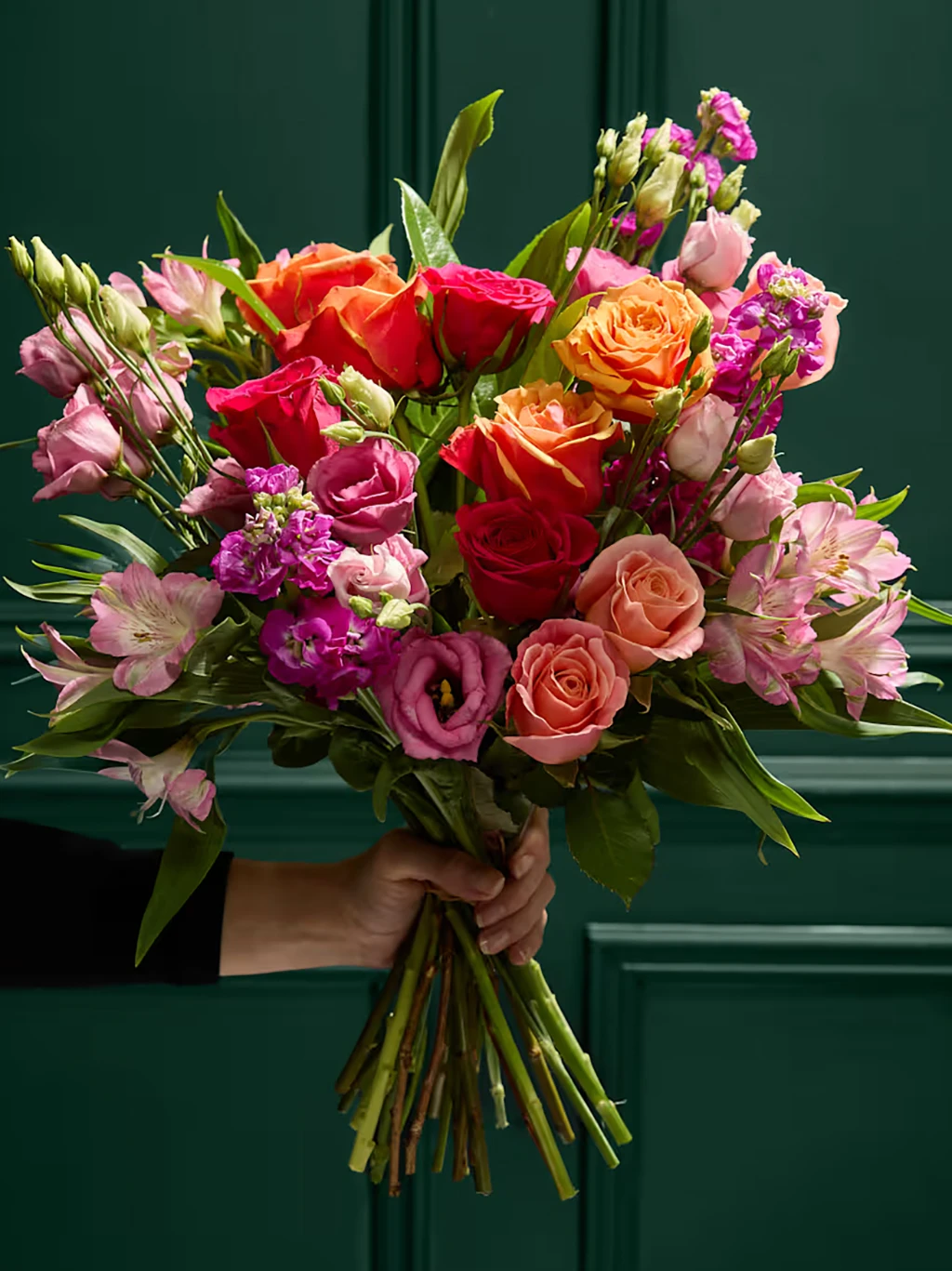
Floriography, or the language of flowers and plants, has been practised for thousands of years. In Victorian times, flowers were often used to convey secret messages and many households owned a guide to floral gifts which helped to decipher flower symbolism.
In the nineteenth century, a single red rose was said to indicate that the giver had taken a fancy to you, while a bouquet of forget-me-nots was sent to a loved one who was moving away. Understanding the meaning of flowers is still key when gift giving today.
Published 24/06/2026
Related Stories
16/06/2026
How to press flowers
Save beautiful bouquets for years to come and learn how to dry and press flowers without them turning brown. Showcase your exquisite blooms with our easy, step-by-step guide
Read More
16/06/2026
Flowers for any occasion
Looking for the best flowers for sympathy, birthdays or anniversaries? Our guide helps you choose the perfect bouquet for each moment
Read More
16/06/2026
How to keep flowers looking fresh
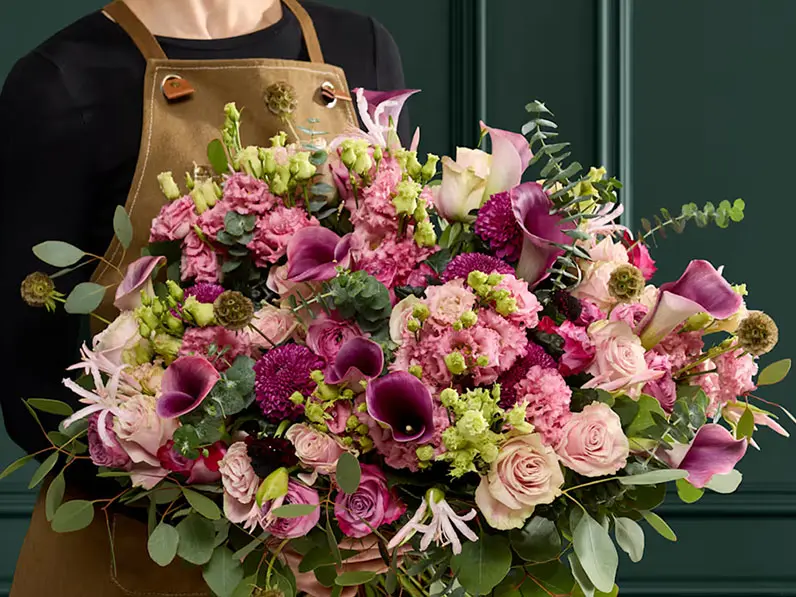
Explore our top tips for making your bouquet last longer, from stem-cutting guidance to how to revive roses and tulips
Read More
09/06/2026
How to look after orchids
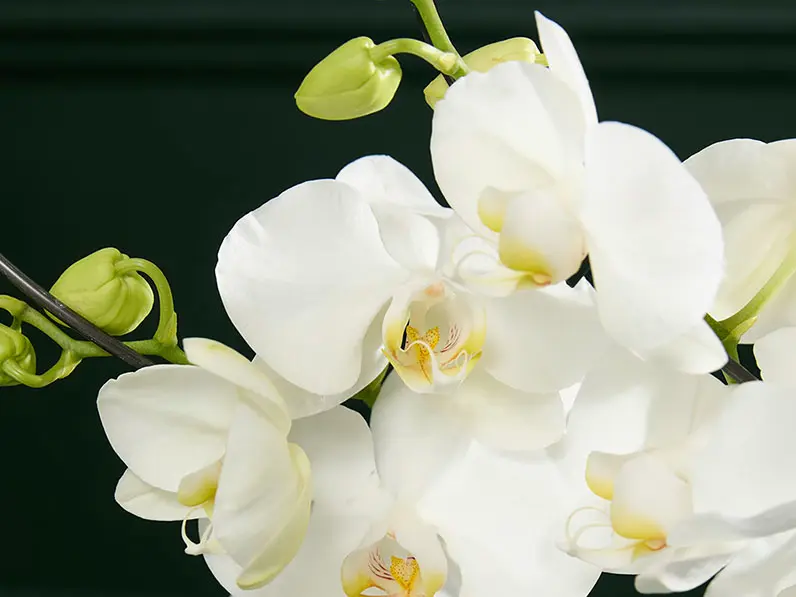
Explore our top tips on how to care for orchids. From the best time for watering, to how to repot and get yours to bloom again, we cover it all
Read More